
New Construction Stone Masonry in Atlanta: Give Your Home a Foundation Worth Showing Off
Here’s something we’ve noticed after years of working on new builds across Atlanta: the homeowners who are happiest with their finished homes are almost always the ones who thought about stone early. Not as an afterthought. Not as a “we’ll add that later” item on a punch list. They brought it into the conversation during the design phase.
That early thinking changes everything:
- That early thinking changes everything:
- The footings are sized and placed correctly from the start
- The outdoor kitchen, retaining wall, or front facade belongs to the home rather than looking like it was added on
We’re Legacy Stonescapes, and we work with Atlanta homeowners building new to plan, permit, and install stone masonry from day one. If you’re in the planning stage of a build right now, this page was written for you.
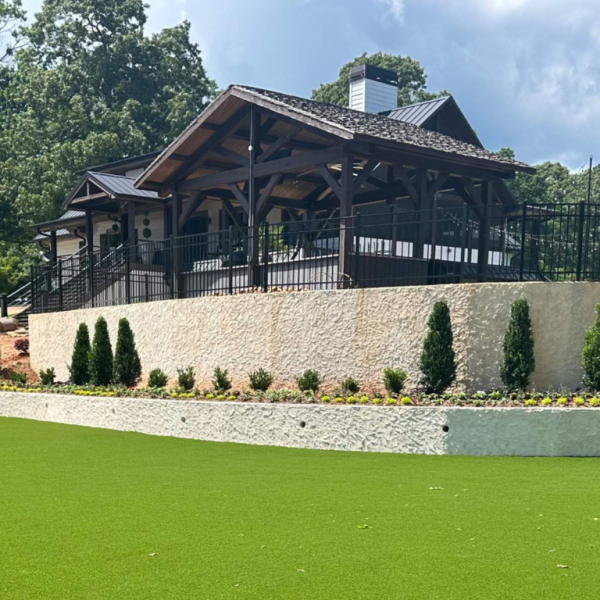
Can I Add Stone Masonry to My New Construction Home in Atlanta?
Yes. Stone masonry can be planned into any new construction home in Atlanta from the start. It works for exterior facades, entryways, chimneys, retaining walls, and outdoor living spaces.
Three Things to Know Before You Start:
- Plan stone masonry before framing to avoid structural changes later
- A licensed Atlanta masonry contractor handles permits and coordinates with your builder
- Atlanta’s humid climate requires dense, low-absorption stone for outdoor applications
Stone Masonry Adds Lasting Value to New Atlanta Homes
We’ve been doing this long enough to have a strong opinion about exterior finishes, and here it is: most of them don’t age well.
A properly built stone facade doesn’t fade, peel, or need repainting. It just sits there looking exactly like what it is — a material built to last.
In Buckhead and Sandy Springs, stone exteriors are consistently one of the top requests we see on new custom home builds. Those homeowners are building their forever home. They’re thinking about what the house looks like in thirty years, not just at move-in. When you choose stone during the build, that value goes into the bones of the home. It’s not decorative. It’s structural.
Where Stone Masonry Fits in a New Home Build
Most people come in thinking chimneys and maybe a front facade. By the time we’re done talking, they’re thinking about entry columns, retaining walls, outdoor kitchens, and the steps leading up from the driveway.
Why Build It Now Instead of Later?
Atlanta homeowners in East Cobb and Alpharetta have caught on to something that makes a lot of sense: the time to add stone to your outdoor living space is during new construction. When we’re on site during the build, the grading, drainage, and footing work all happen in coordination. Coming back after the fact means working around what’s already there — and that almost always means more money and more compromise.
What to Expect During Your Stone Masonry Project in Atlanta
We want to be straightforward about something most general contractors won’t say out loud: masonry coordination is one of the most commonly mishandled parts of a new home build schedule. It gets added late, underbid, and handed off to whoever is available rather than whoever is right for the work.
Book Early
Book your masonry contractor before the schedule is locked. Atlanta permitting adds real lead time. Homeowners building in Reynoldstown or Decatur who bring us in at the design stage consistently have smoother projects than those who call us after framing is underway.
Our Process Step by Step
- Initial consultation and site walkthrough
- Stone selection based on your design and Atlanta’s climate
- Permit filing with the City of Atlanta
- Foundation and footing prep
- Stone setting and mortar work
- Cleaning, sealing, and finishing
- Final walkthrough and inspection
We talk directly with your general contractor at each phase. We track the schedule, ask the questions, and show up ready to work when it’s our turn so the build doesn’t lose a day waiting on stone.
How Atlanta’s Climate Affects Stone Selection for Your Home
Atlanta’s climate is genuinely demanding on exterior materials. Not every stone that looks beautiful in a showroom is the right choice for the side of a house in this city.
Our Stone Recommendations for Atlanta Exteriors
A Word on Manufactured Stone
We’ve repaired a fair amount of work involving lower-grade manufactured stone products. Some absorb moisture in ways that aren’t obvious at installation but show up within a few years as staining, efflorescence, and surface deterioration. Ask hard questions about absorption ratings before any manufactured stone goes on the exterior of your home. We’ll tell you exactly what we think and show you the data.
Signs Your New Build Needs a Masonry Contractor, Not a General Handyman
We say this because we’ve been called in to fix work that should never have been done the way it was. Stone masonry on a new home is not finish work. It is structural work.
What Structural Stone Masonry Requires:
- Engineered footing depths specific to the application
- The right mortar mix for the climate and stone type
- Drainage and water management built into the wall system
- Knowledge of Atlanta’s building codes and permit process
Atlanta requires permits for structural masonry applications. In neighborhoods like Druid Hills, inspections are serious and thorough. Unpermitted or improperly built masonry doesn’t just fail inspection — it can require a full teardown and rebuild at your expense.
Beyond the code question, there’s a craft question. Setting stone correctly — so it doesn’t shift, crack, or open at the joints — takes experience. A handyman who can stack stone is not the same as a masonry contractor who knows how stone behaves over time. On a home you’re building to live in for decades, that distinction matters more than the difference in price.
How Mortar Type Protects Your Stone Work Long-Term
Most homeowners never ask about mortar. It’s invisible once the work is done. But mortar selection is one of the single biggest factors in whether stone work holds up or starts giving you problems in five to ten years.
This is the kind of detail that separates work that ages well from work that starts showing cracks at the joints three winters in. We don’t consider it optional, and we’re happy to explain our mortar choices to any client who wants to understand what’s going into their home.
Frequently Asked Questions
Questions Homeowners Ask
What parts of my new Atlanta home can include stone masonry?
Facades, chimneys, entryways, retaining walls, steps, and outdoor kitchens are all common applications for stone masonry on a new Atlanta home. In our experience, the more you think through the possibilities early, the more places stone just makes sense. Entry columns, garden walls, fire features, even the base of a covered porch — stone works beautifully in all of those spots. Planning them during the build is far cleaner than retrofitting later.
Do I need a permit for stone masonry on my new Atlanta home?
Yes, structural stone masonry requires a permit with the City of Atlanta, and we handle that filing as part of your project. Unpermitted structural masonry is a real liability at inspection and at resale. Buyers and their inspectors ask questions. Having the permits in order is part of doing the job right, and it’s something we take care of so you don’t have to.
How long does stone masonry take on a new home build in Atlanta?
Most residential scopes run 2–6 weeks after materials arrive on site. The honest answer is that timeline depends heavily on scope and how well the build schedule is coordinated. Projects where we’re brought in early and given a clear place in the schedule finish faster than projects where masonry is squeezed in between other trades. We coordinate directly with your general contractor and flag scheduling conflicts before they become delays.
What type of stone holds up best in Atlanta’s weather?
Dense stones like granite and bluestone resist Atlanta’s humidity and occasional freeze-thaw cycles better than softer or more porous options. Granite is our preference for most Atlanta exterior applications. It performs better over time than almost anything else in this climate. We’ve seen it hold up on homes in this area for thirty-plus years without significant maintenance. We walk every client through the full range of options at the stone selection appointment, including the honest tradeoffs.
What can go wrong if stone masonry isn’t done correctly?
Water infiltration, mortar failure, and cracking are the most common problems in poorly installed stonework. Most failures trace back to two specific mistakes: the wrong mortar for the application and inadequate footing preparation. Both are completely avoidable. Both are painful and expensive to fix once the problem shows up. This is why we’re deliberate about these decisions on every project.
Can stone masonry be added to a new home after construction is complete?
Yes, and we do retrofit work regularly. But planning it during new construction is almost always more cost-effective and structurally cleaner. Retrofitting stone after a build means digging new footings, adjusting grading, working around existing utilities, and coordinating with a finished structure that wasn’t designed with the masonry in mind. If you’re in the planning stage right now, the conversation is worth having before you get any further into the build.