
Masonry Repair in Atlanta: Fix Cracks, Mortar & Brick the Right Way
Atlanta is hard on masonry. The clay soil under your home moves every time it rains and every time it dries out. Humid summers push moisture into every joint and crack. The occasional winter freeze does the rest.
Most homeowners don’t notice the damage until it’s been building for a couple of seasons already.
Licensed masonry contractor based in Atlanta.
We’ve seen what this city does to brick and stone over time. We can usually get to you within the same week for an assessment.
This page covers what masonry repair actually looks like:
- Cracked brick
- Failing mortar joints
- Spalling stone
- Chimney damage
Getting ahead of this kind of damage is almost always cheaper and faster than waiting. We restore structure, curb appeal, and long-term stability. We’ll tell you exactly what needs to happen before we touch anything.
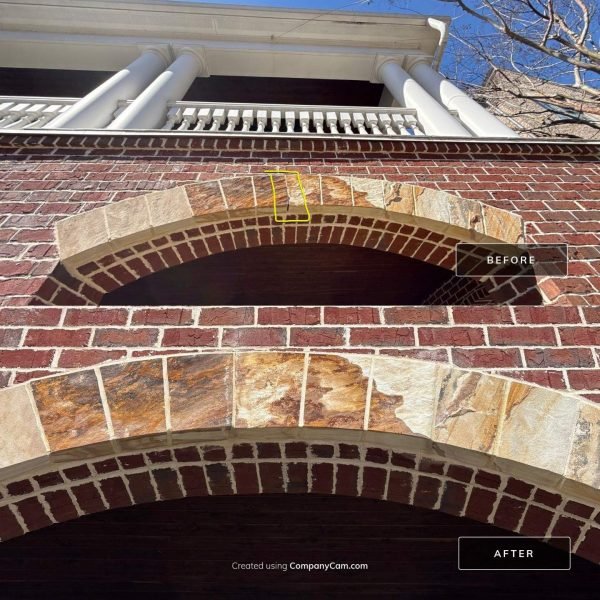
What Is Masonry Repair?
Masonry repair is the process of restoring damaged brick, stone, or mortar on a home or structure. It stops water intrusion, prevents further deterioration, and brings back structural integrity before small problems become major failures.
Most common masonry repairs in Atlanta:
What Masonry Repair Actually Fixes on Your Home
The damage you can see is rarely the whole story. A gap in a mortar joint or a crack across a brick face is usually the visible result of something that’s been happening beneath the surface for a while. Water gets in, soil moves, and the wall starts to lose integrity from the inside out.
We see this constantly in older Atlanta neighborhoods. Homes in Inman Park and Grant Park are beautiful. But decades of moisture cycling have worked on the brick faces in ways that aren’t always obvious from the sidewalk.
What we find up close:
Mortar that crumbles when you press it. Brick faces that have started to flake away from the surface. These are signs of years of slow damage.
Masonry repair addresses both what you can see and what's driving it:
- Replace cracked or broken brick
- Repack failing mortar joints
- Stabilize stone that's begun to separate
Catching it early keeps a manageable repair from turning into a wall rebuild. That’s a conversation nobody wants to have.
Tuckpointing vs. Repointing — Which One Your Atlanta Wall Needs
We get asked about this a lot. Usually by homeowners who looked something up online and ended up more confused than when they started. Here’s the short version:
Atlanta winters are mild compared to the Midwest. But the freeze-thaw cycles we do get are enough to work mortar out of joints over several seasons. Water gets into a small gap, freezes, expands slightly, and opens the joint a little wider. By the time you can see the gap clearly, it’s usually been compromised for at least a year.
Our honest advice:
Don’t get too caught up in the terminology before calling us. What matters is a proper assessment of your wall’s condition. We’ll tell you which method fits and why. We won’t upsell you on tuckpointing if straight repointing is all you need.
What Happens During a Professional Masonry Repair Visit
Our repair process, step by step:
We’ve seen plenty of patch jobs done by others that looked fine on day one and were cracking again within a year. We’d rather do it once.
Why Atlanta's Soil and Climate Speed Up Masonry Damage
If you’ve lived in Atlanta for more than a few years, you’ve probably heard about the red clay. It’s expansive soil. It swells when it absorbs water and shrinks when it dries out. That movement puts real pressure on anything sitting on or near it:
- Brick foundations
- Retaining walls
- Steps and stoops
- Chimneys
The pressure doesn’t announce itself. It just accumulates quietly over seasons until something gives.
Three forces working on your masonry year-round:
None of them are dramatic on their own, but they’re relentless together.
Homeowners who act early almost always spend less and deal with less disruption than those who waited to see if the crack would stop moving. In our experience, cracks don’t stop on their own in Atlanta. They just get more expensive.
Steps to Take Before Your Masonry Contractor Arrives
This page covers what masonry repair actually looks like:
- Clear the work zone. Move patio furniture, planters, and stored items within a few feet of the damaged area. Protects your belongings and lets us get set up faster.
- Tell us about access issues. In neighborhoods like Buckhead and Midtown, parking and pathway logistics can add real time to a job. If there are gates, narrow driveways, or HOA restrictions, mention them when you book.
- Send us photos of the damage over time. Even a few shots from different seasons give us a clearer picture of whether movement is ongoing or has settled. Three or four photos from your phone is enough. It takes two minutes and often shapes the entire repair plan.
Frequently Asked Questions
Questions Homeowners Ask
Can I repair cracked mortar myself?
We’d recommend against it, and here’s the honest reason why: DIY mortar repairs almost always trap moisture and fail within a season or two. The issue isn’t effort — it’s mix strength. Mortar comes in different hardness ratings, and using a mix that’s too hard for your brick type actually accelerates damage to the surrounding units over time. Matching the right material to your specific wall is something that comes from experience, not a bag of pre-mixed patch from a home improvement store.
How long does masonry repair take in Atlanta?
Most residential repairs finish in a single day. Larger jobs — chimney rebuilds, full wall repointing, or anything that involves significant brick replacement — may carry into a second day depending on scope and cure conditions. We’ll give you a realistic time estimate during the assessment, not after we’ve already started.
Is fixing the brick or the mortar more important?
In most Atlanta homes, mortar is the first thing to go, and addressing it early usually prevents brick replacement from becoming necessary. The mistake we see most often is homeowners waiting too long on failing mortar — by the time they call, the brick units have started cracking too, and the scope of work doubles. If you’re unsure what you’re looking at, call sooner rather than later.
What causes masonry to crack in Atlanta specifically?
The three main drivers in Atlanta are clay soil movement, humidity swings, and freeze-thaw cycles in winter. What makes Atlanta different from drier climates is that all three of these work together and compound each other. A crack that looks minor in March often reflects a full cycle of seasonal movement that started the previous fall.
How do I know if my masonry damage is structural or cosmetic?
Horizontal cracks running along mortar joints and stair-step cracking patterns that follow the joints diagonally are the clearest warning signs of structural movement. If you see either of those, don’t wait and monitor — schedule an assessment right away. Vertical hairline cracks in mortar joints are more commonly cosmetic, but they still need attention before water gets in and makes the decision for you.
What is the difference between tuckpointing and repointing?
Repointing removes deteriorated mortar and replaces it with fresh material — that’s the functional repair. Tuckpointing includes that same step but adds a thin contrasting line of mortar on the face of the joint for a traditional finished appearance. Both methods have their place depending on the wall’s condition and what result you’re after. We’ll walk you through which one applies to your situation when we’re on site.
Book Masonry Repair in Atlanta
If your brick, stone, or block is overdue for cleaning, we’re ready to take a look. Legacy Stonescapes is based in Atlanta and serves residential and commercial properties throughout the city and surrounding areas.
Call or message us to schedule. We’ll confirm your service area, walk through what the job requires, and get you on the schedule.