
Concrete Contractor in Atlanta
In Atlanta, homes and businesses sit on red clay soil that shifts with Georgia’s wet-dry cycles. That ground movement affects every concrete surface on your property — from driveways and patios to block foundations and columns.
This page walks through the core concrete services we handle across Metro Atlanta. We cover patios, driveways, walkways, slabs, block foundation walls, and block columns. Each section explains what the service is, who it helps, and what to expect.
Every pour we plan accounts for Atlanta’s heat, the clay beneath your lot, and the grade of your land. That is what separates concrete work that lasts from concrete that cracks in two years.
Concrete Patios, Driveways & Walkways in Atlanta
If your driveway is cracked or your patio has settled, you already know what Atlanta’s clay soil does to concrete. A new pour gives you a flat, stable surface built to handle our heavy summer rain.
 Who this service is for:
Homeowners who need a new patio, driveway, or front walkway. Also covers replacements for cracked or settled flatwork in established neighborhoods like East Atlanta Village, Kirkwood, and Grant Park.
From Buckhead driveways to Decatur walkways, the prep work matters more than the pour. Atlanta’s red clay holds moisture and expands. Without the right base and drainage slope, flatwork cracks within a few years.
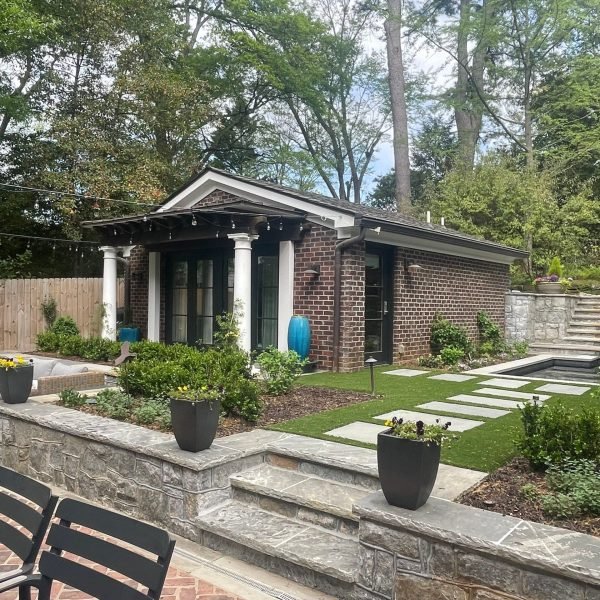
What to Expect
Concrete Slabs in Atlanta
A concrete slab gives you a level, load-bearing surface for a garage, workshop, shed, or commercial building. We build each concrete pad to match the weight it needs to carry and the soil underneath it.
Who this service is for:
Homeowners building a detached garage, workshop, or shed pad. Also commercial clients who need a warehouse floor or equipment pad. Slab work is common across Atlanta’s growing Westside and Southwest corridors.
Whether it’s a Midtown garage pad or a slab for a Southside shop, we engineer for the ground underneath. Atlanta’s frost line is shallow, but clay movement is the real threat. Proper sub-base compaction prevents heaving and settlement.
What Goes Into a Slab Pour
- Soil compaction to stabilize the red clay base
- Vapor barrier to block moisture from rising through the slab
- Rebar or wire mesh sized to the intended load
- Single continuous pour for a seamless, crack-resistant surface
- Thickness and reinforcement matched to your specific use
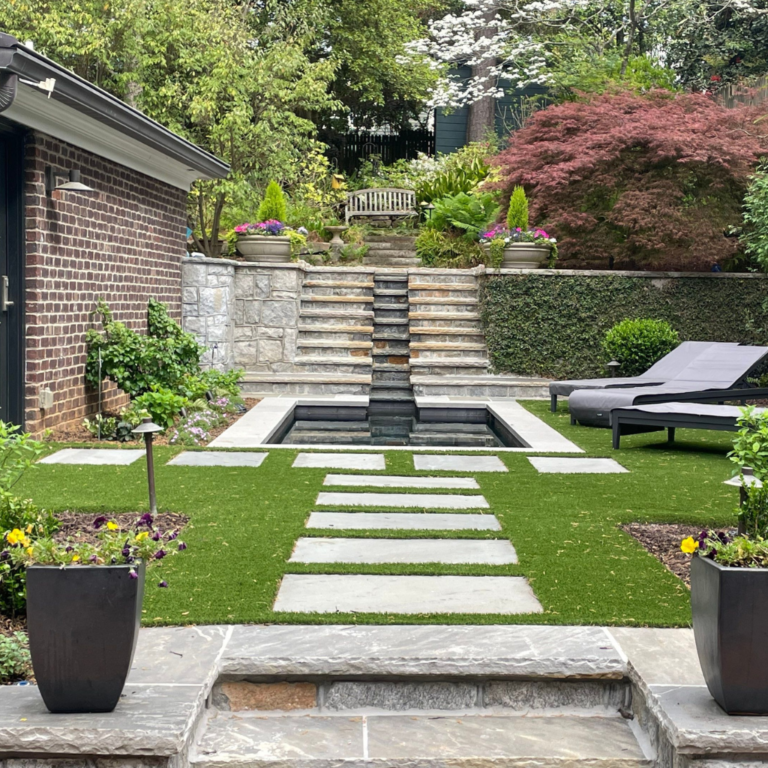
Block Foundation Walls in Atlanta
Your foundation holds up everything above it. We build CMU block foundation walls — also called cinder block foundations — for crawlspaces, basements, and new construction stem walls across Atlanta.
👤 Who this service is for:
Homeowners or builders who need a crawlspace or basement foundation. Also covers stem walls for new construction and foundation repairs on older Atlanta homes — common in historic neighborhoods like Inman Park and Old Fourth Ward.
Atlanta code follows the International Residential Code with Georgia amendments. Soil reports in this area often show expansive clay, which affects footing depth and wall reinforcement specs. Northside lots with steep grades often need taller stem walls — we size everything to the site.
The Build Process
Block Columns in Atlanta
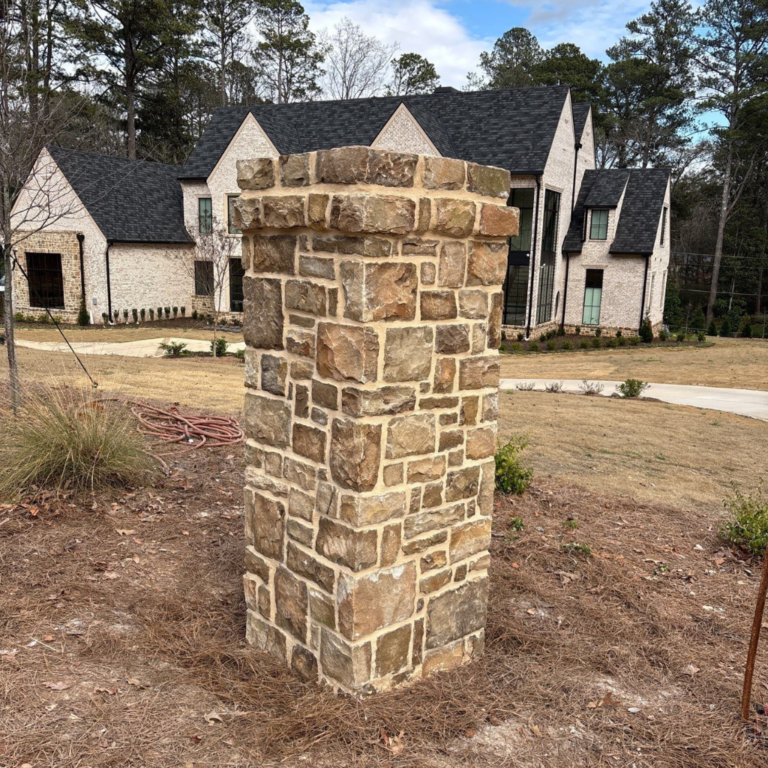
Masonry columns add structure and curb appeal to your home. We build block columns for front porches, mailboxes, driveway entrances, fence gates, and elevated decks. Each column is plumb, reinforced, and tied into a concrete footing sized for the load above it.
Who this service is for:
Homeowners who want masonry columns or pillars for a porch, mailbox, driveway, or gate. Also covers structural pier columns for elevated decks and porches. Popular in neighborhoods like Virginia-Highland and Druid Hills where curb appeal drives home value.
Many Atlanta homes sit on sloped lots. Porch columns often double as structural supports, not just decorative pieces. From decorative mailbox columns in Sandy Springs to load-bearing porch piers in East Point, the build method changes with the job.
What You Get
- Steel core and grouted block for structural strength
- Concrete footing poured to match the load above
- Finished with stucco, stone veneer, or brick facing to match your home
- Built plumb and square — no leaning or shifting over time
Frequently Asked Questions
Questions Homeowners Ask
How long does a concrete driveway last in Atlanta?
A well-poured concrete driveway in Atlanta lasts 25 to 30 years with proper base prep and drainage. The key is the gravel base and slope. Without those, red clay expansion causes cracks much sooner.
Do I need a permit for a concrete slab in Atlanta?
Yes, most concrete slabs in Atlanta require a permit from the City of Atlanta or your county building department. Detached garages, workshops, and any structure with a foundation will need inspections at key stages.
What is a CMU block foundation?
A CMU block foundation is a wall built from concrete masonry units — hollow concrete blocks stacked, reinforced with rebar, and filled with grout. It is the standard foundation type for crawlspaces and basements in the Atlanta area.
Can block columns support a porch roof?
Yes, block columns can support a porch roof when built with a steel core, grouted cells, and a footing sized for the load. Many Atlanta homes use masonry columns as both decorative and structural elements.
Why does Atlanta’s red clay cause concrete problems?
Atlanta’s red clay expands when wet and shrinks when dry. That movement pushes and pulls against concrete surfaces. A compacted gravel base and proper drainage slope keep the clay from shifting the slab or flatwork above it.