
Professional Brick Patios, Driveways & Walkways in Atlanta, GA
Brick patios, driveways, and walkways in Atlanta add curb appeal and lasting value to residential properties across the metro area. Whether you need a new install, a full relaying, or targeted repairs, our masonry contractor team builds brick surfaces designed for Atlanta’s red clay soil and seasonal weather swings.
Most projects start with a free on-site consultation. We walk your property, check grading and drainage, and recommend a layout that fits your home and your budget.
Are brick driveways a good choice in Atlanta?
Brick driveways are a strong choice for Atlanta homes because individual pavers flex with the ground instead of cracking. Atlanta’s red clay soil expands and contracts with rain and heat. Brick absorbs that movement better than rigid slabs.
- Pavers resist cracking from Georgia’s freeze-thaw cycles
- Brick surfaces drain well when installed with proper gravel base and joint sand
- Damaged sections can be replaced one paver at a time without tearing out the full driveway
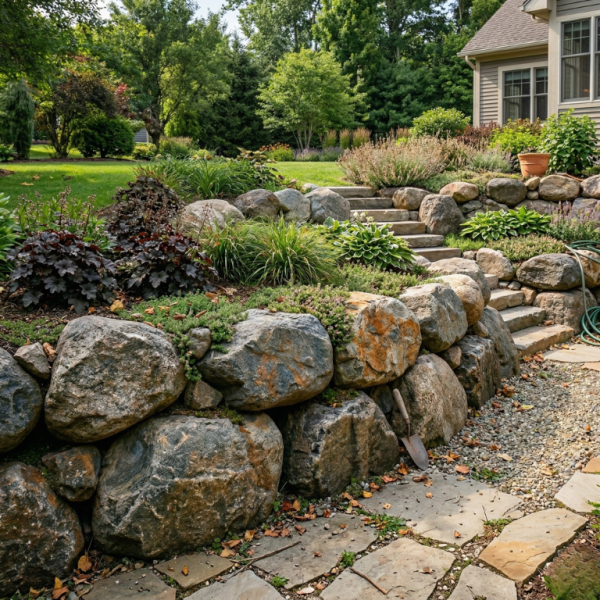
Brick Driveways Handle Atlanta’s Climate Better Than Most Homeowners Expect
If you live in Buckhead, Druid Hills, or Sandy Springs, you’ve seen what happens to concrete driveways after a few Georgia summers. Cracks spread. Slabs shift. Repairs get expensive fast.
Brick pavers work differently. Each unit sits independently in a sand bed. When Atlanta’s red clay expands from heavy rain or shrinks during summer heat, the joints between pavers absorb that movement. The surface stays level and intact.
That flexibility means fewer repairs over the life of the driveway. If one paver does crack or stain, you pull it out and drop in a new one. No jackhammering. No matching old concrete.
Why brick works in Atlanta’s climate:
- Individual pavers flex with soil movement instead of cracking as a single slab
- Sand joints absorb expansion and contraction from red clay shifts
- Single-paver replacement keeps long-term costs low
A Brick Patio Gives You a Low-Maintenance Outdoor Living Space
A brick patio is one of the lowest-maintenance outdoor surfaces you can install. For most residential setups, you’re looking at occasional sweeping and a joint sand top-up every year or two. No annual resealing required.
In neighborhoods like Inman Park and Grant Park, mature tree canopies create a specific problem: root-lift. Tree roots push up under poured concrete and crack it. Brick pavers handle this better. The individual units can shift slightly without breaking. If roots do push a section out of alignment, we relevel the affected pavers without tearing out the whole patio.
How Atlanta Soil and Drainage Shape Your Brick Paver Layout
Red clay is the reality under most Atlanta properties. It holds water, swells when wet, and shrinks when dry. If you skip proper base prep, your brick patio or driveway will settle, pond water, and shift within a few years.
On Fulton and DeKalb County properties, we typically see dense clay subsoil that requires grading adjustments before any pavers go down. Heavy seasonal rainfall in Atlanta makes drainage planning part of every layout. French drain integration is common on properties with poor natural runoff.
What proper base prep looks like on red clay:
- Excavation down to stable subgrade below the clay layer
- Compacted gravel base (6–12 inches depending on load and soil)
- Grading adjustments to direct water away from your home’s foundation
- French drain integration where natural runoff is poor
What to Expect During a Brick Walkway or Driveway Installation
If you’re in Midtown, Virginia-Highland, or Decatur and ready to book a brick project, here’s how the process works from start to finish.
Atlanta’s building codes may require permits for driveway apron work near public sidewalks. We handle that coordination with the city so you don’t have to chase paperwork.
Sealing Your Brick Driveway Protects It Through Atlanta’s Wet Seasons
Sealing your brick driveway adds a layer of protection against staining, joint sand washout, and weed growth between pavers. In Atlanta, this matters more than in drier climates.
Our humidity and spring pollen season accelerate surface buildup on unsealed brick. Oil stains from parked cars soak in fast. Moss and algae take hold in shaded spots. A good sealant slows all of that down.
The best time to seal in Atlanta is early fall, before November. That gives the sealant a clean cure window ahead of winter rain. Waiting too late into the season means the product can’t bond properly in cooler, wetter conditions.
Sealing benefits at a glance:
- Prevents staining from oil, pollen, and organic debris
- Locks joint sand in place so rain doesn’t wash it out
- Slows weed, moss, and algae growth between pavers
- Best applied in early fall for a clean cure before Atlanta’s wet winter
Signs Your Brick Patio or Walkway Needs Repair
If you’re in East Atlanta, Reynoldstown, or Smyrna and you’ve noticed pavers sinking or shifting, the sooner you address it, the less it costs. Catching problems early avoids a full tear-out later.
The two biggest causes of paver displacement in our area are seasonal freeze-thaw cycles in north Georgia and tree root pressure in older neighborhoods. Both push pavers out of alignment over time.
Call for a repair assessment if you see:
- Pavers that have sunk below the surrounding surface
- Visible cracks running through individual bricks
- Joint sand washed away leaving wide gaps between pavers
- Water pooling on flat surfaces that used to drain normally
- Sections lifted or buckled from tree root growth underneath
Frequently Asked Questions
Questions Homeowners Ask
How long does a brick paver driveway last in Atlanta?
A brick paver driveway lasts 25 years or more in Atlanta when the base and drainage are done right. The key variable is red clay prep. If the gravel base is deep enough and grading directs water away from the surface, the pavers hold up through decades of Georgia weather.
Can you install a brick patio over my old concrete slab?
Sometimes, yes. It depends on three things: the condition of the existing slab, the drainage around it, and whether there’s enough height clearance at your home’s threshold. If the slab is cracked or heaving, overlay isn’t the right call. We check all of this during the on-site visit.
When is the best time of year to install a brick walkway in Atlanta?
Spring through early fall is the best window. We recommend avoiding Atlanta’s heaviest rainfall months, typically March and July, since wet conditions slow excavation and base compaction. Late spring and early fall tend to be the most efficient for scheduling.
Do brick pavers get slippery in Atlanta’s humidity?
Tumbled or textured pavers provide solid grip even in humid conditions. Smooth-faced pavers can get slick when wet, especially in shaded areas. The sealant you choose also affects traction. We recommend a non-glossy sealant for walkways and pool decks.
Do I need a permit for a brick driveway in Atlanta?
Yes, typically you need a permit for driveway aprons that connect to the city right-of-way. In Fulton County, the contractor pulls the permit. We handle the paperwork and inspections so the project stays on schedule.
How soon after installation should I seal my brick patio?
Wait 60 to 90 days after installation before sealing. That gives the joint sand time to fully settle and compact. Early fall sealing works best in Atlanta so the product cures before the wet winter months arrive.