
Atlanta Brick Fireplaces & Fire Pits Built to Last
In Atlanta, brick fireplaces and fire pits see year-round use. Mild winters and cool fall evenings keep them burning from October through March. We build outdoor and indoor brick fireplaces, backyard brick fire pits, and full rebuilds. Schedule a site visit to plan your layout, materials, and timeline. Our masonry work holds up to Georgia’s humidity and red clay soil.
Brick Fireplaces Still Lead Atlanta Home Design
Brick fireplaces are not going out of style. They work with modern, transitional, and traditional interiors. That range is what keeps brick relevant while other materials come and go.
In Buckhead and Druid Hills, buyers expect a fireplace. Real estate agents in Atlanta list fireplaces as a top resale feature. A well-built brick fireplace adds value the day it goes in and holds it for decades.
Painted brick and limewashed finishes match the look of older Craftsman homes across the city. They also fit new construction. You do not have to choose between classic and current when you choose brick.
Why brick stays current: Atlanta homes range from 1920s Craftsman to modern infill. Brick pairs with all of them. One material, every style.
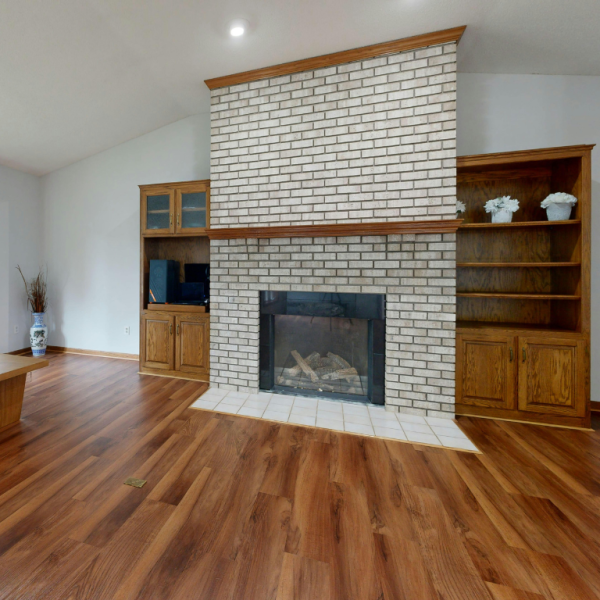
Four Fireplace Types and Which Fits Your Atlanta Home
Before your first site visit, it helps to know what each fireplace type offers. Here are the four most common options we build and install in Atlanta.
Midtown infill lots and tight Grant Park backyards often limit chimney placement. County codes in Fulton and DeKalb set flue requirements and minimum setback distances. We review these during the site visit so there are no surprises after the build starts.
What Goes Into Planning a Brick Fire Pit for Your Backyard
A fire pit that lasts starts below ground. The base prep and drainage plan matter more than the brick pattern on top.
Atlanta’s red clay holds water and shifts with the seasons. Without a gravel base and compacted subgrade, the pit settles unevenly. Water pools inside. Mortar cracks within the first year.
What We Address During Planning
- Site grading and water runoff direction
- Gravel base depth (typically 6–12 inches depending on soil)
- Compacted subgrade to prevent seasonal shifting
- Setback distance from your home, fence, and trees
- Gas line routing if you choose a gas-fed fire pit
Homeowners in Sandy Springs, East Cobb, and Alpharetta often have larger yards with sloped grading. We adjust base prep and drainage for each site. Flat yards need a different approach than hillside builds.
What Type of Brick Is Best for Fireplaces and Fire Pits in Atlanta?
Fire-rated brick (firebrick) is the standard for fireplace fireboxes and fire pit interiors in Atlanta. Regular clay brick works for the outer structure, chimney, and decorative surround. Atlanta’s freeze-thaw cycles and summer humidity require low-absorption brick to resist cracking.
- Firebrick handles temperatures above 1,800 °F inside the firebox
- Low-absorption clay brick prevents moisture damage during Georgia’s wet springs
- A skilled mason matches brick grade to each part of the structure for long-term performance
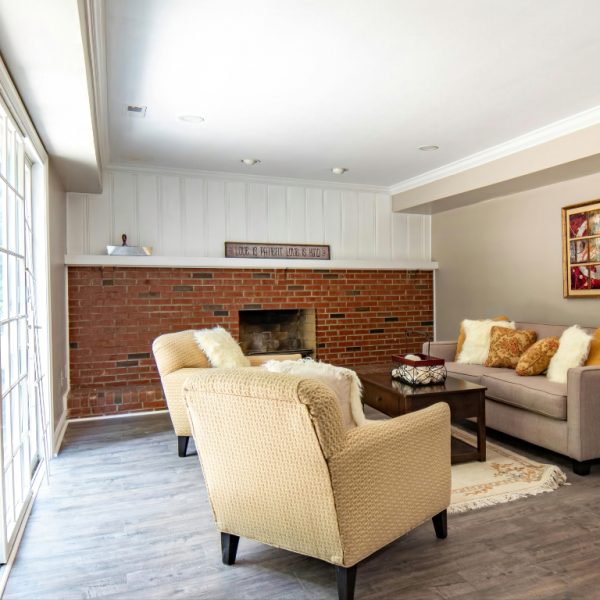
How Atlanta Masons Build Brick Fireplaces That Handle the Heat
Heat is the biggest test for any fireplace. The firebox sees direct flame. The chimney handles exhaust. The outer structure deals with radiant heat. Each zone needs the right material and technique.
Three Build Details That Prevent Heat Damage
We do not use shortcuts on the parts you cannot see. The firebox lining and mortar mix are where long-term performance is built or lost.

Signs Your Brick Fireplace or Fire Pit Was Built Right
You should be able to look at a finished fireplace or fire pit and check the work yourself. Here is what to look for before you light the first fire.
Inspection Checklist
- Mortar joints are uniform in width and depth with no gaps or voids
- The chimney cap is seated flush with no visible gaps around the edges
- Flashing where the chimney meets the roofline is flat and sealed
- The firebox lining is smooth with no loose or cracked firebrick
- Outdoor fire pits have a fitted cap or cover to protect the interior
In Virginia-Highland and Reynoldstown, outdoor fire pits collect pollen fast during spring. A fitted cap keeps the interior clean and protects mortar joints from moisture between uses. Sealed brick surfaces wipe down easily after pollen season passes.
Protect Your Brick Fireplace From Atlanta Weather Year-Round
Atlanta gets over 50 inches of rain per year. Summer humidity stays above 70%. That combination wears down mortar and brick faster than most homeowners expect.
Seasonal Maintenance Schedule
North-facing chimneys in Inman Park and Decatur dry slower after rain. They see less direct sun, which means moisture sits longer in the mortar. Annual sealing and repointing catch small cracks before water intrusion causes spalling.
Frequently Asked Questions
Questions Homeowners Ask
How long does it take to build a brick fireplace in Atlanta?
Most indoor brick fireplaces take 2–4 weeks to complete. Timeline depends on chimney height and permit turnaround in Fulton County. Outdoor fireplaces without a chimney may take less time. We confirm your schedule during the site visit.
Can I add a brick fire pit to a small Atlanta backyard?
Yes. Compact round designs fit smaller yards in Grant Park and East Atlanta. We measure your space and confirm setback clearance before choosing a layout. Even tight lots can work with the right size and placement.
Do I need a permit for a backyard fire pit in Atlanta?
Atlanta and some surrounding cities require permits for permanent fire features. Your mason handles the permit application as part of the project. We confirm local requirements during the planning phase so the build stays on schedule.
What brick color works best for Atlanta outdoor fireplaces?
Warm reds and earth tones blend with Georgia’s natural landscape. Your mason can lay sample panels on-site so you see how different shades look against your home and yard. Color choices hold up well because brick does not fade the way painted surfaces do.
How do I keep my brick fire pit from cracking in winter?
A fitted cover and annual repointing catch moisture damage before Atlanta’s freeze-thaw cycles cause spalling. Keep the cover on when the pit is not in use. Have a mason check the mortar joints each spring after the cold season ends.
Should I choose a wood-burning or gas fire pit for my Atlanta home?
Wood-burning fire pits suit open yards where smoke disperses easily. Gas fire pits fit Decatur patios and HOA communities where smoke restrictions apply. We help you weigh the pros and cons based on your yard layout and local rules.