
Build Strong Block Columns in Atlanta, Georgia
In Atlanta, block columns add strength and style to any property. Whether you need columns for a fence, mailbox, porch, or driveway entry, this page walks you through the full process. We also cover repair signs and the choices that affect how your column holds up.
Our masonry contractor team builds block columns that last through every Georgia season. Atlanta homeowners can request a site visit to get a plan based on your lot and layout.
How Are Block Columns Built in Atlanta, Georgia?
- Mark the column location and dig the footing.
- Pour a concrete footing on compacted soil.
- Set rebar vertically in the wet footing.
- Lay the first course of blocks level and plumb.
- Stack courses with mortar and check alignment.
- Fill block cores with concrete and rebar.
- Cap the column and cure for at least 48 hours.
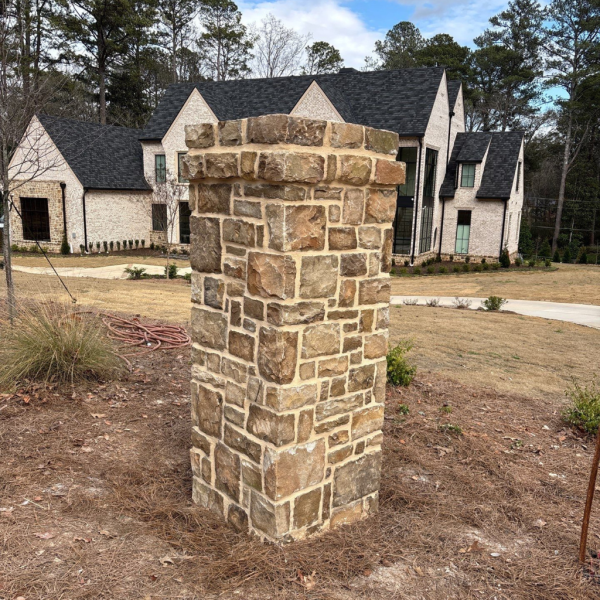
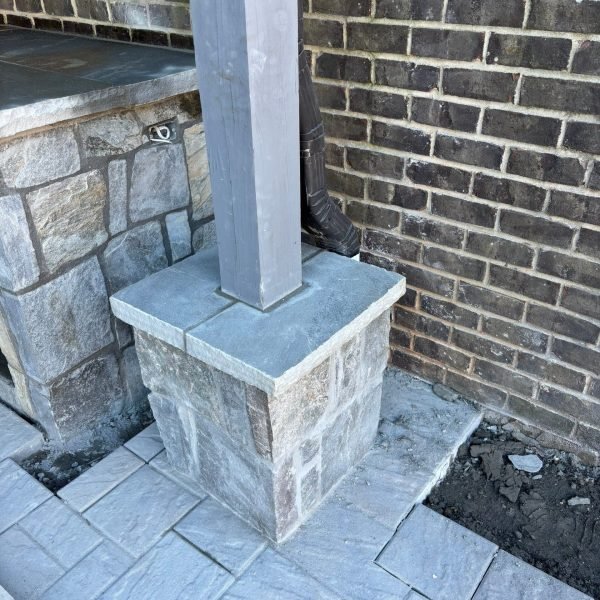
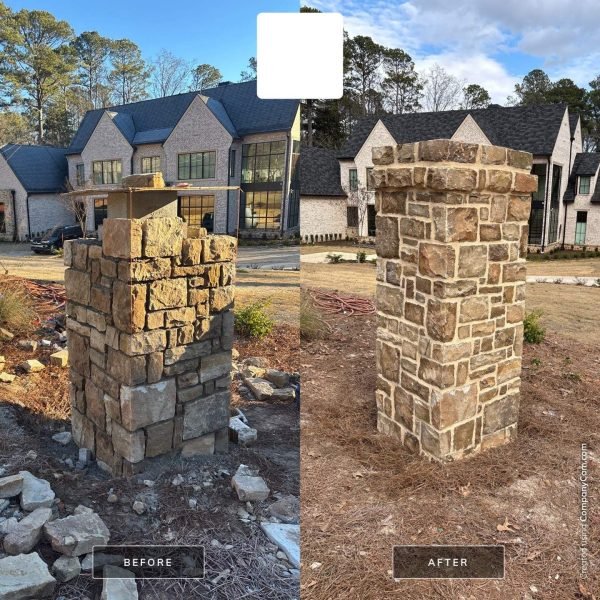
How Masons Build Block Columns Step by Step
If you are adding porch columns, driveway entries, or fence posts, knowing the process helps you plan ahead. You will know what to expect on build day and what questions to ask your mason.
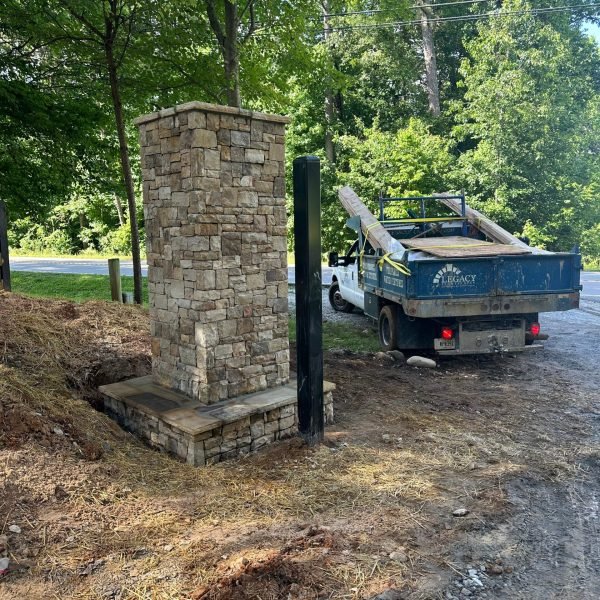
Every block column starts with a footing. In Atlanta, red clay soil means that footing must go deep enough to sit on stable ground. Without that depth, the column can shift over time.
Midtown and Grant Park lots often have tight access between homes. Your mason will plan material staging and equipment placement around those spaces. Once the footing cures, blocks go up course by course with mortar, rebar, and concrete fill in the cores.
Signs Your Atlanta Block Column Needs Repair
Cracks, leaning, or crumbling mortar are the most common warning signs. If you catch these early, a repair can save you from a full rebuild.
North Georgia winters bring freeze-thaw cycles that push moisture deep into mortar joints. Water expands when it freezes, and that pressure breaks down the bond between blocks. Older columns in Decatur and East Atlanta Village often show this type of wear first.
Watch for these signs:
- Horizontal or stair-step cracks in the mortar joints
- The column leans or tilts away from plumb
- Mortar crumbles when you press on it
- The cap shifts or separates from the top course
- Rust stains on the block face, which can signal rebar corrosion inside
If you notice any of these, schedule a site visit before the damage spreads.
Choosing the Right Block Size and Type for Your Column
The right block matches your load needs and the look you want. Here is a quick comparison of common options.
Buckhead and Druid Hills properties often use split-face block. It pairs well with the existing brick and stone styles common in those neighborhoods. If your column will support a gate or beam, a 12-inch block gives you more room for rebar and concrete fill.
Why Rebar Makes Block Columns Safer and Stronger
Rebar ties your column to the footing and resists lateral force from wind, gate movement, or soil pressure. Without it, a column is just a stack of blocks held together by mortar alone.
Atlanta building codes require rebar in structural columns. Georgia’s summer storms bring high winds and heavy rain. A reinforced column handles that stress without cracking or shifting.
What rebar does inside a block column:
- Connects the column to the concrete footing below
- Resists side-to-side force from wind or impact
- Holds the structure together if mortar weakens over time
- Meets City of Atlanta code requirements for structural masonry
Skipping rebar may save a small amount upfront. But it leads to cracking, leaning, and early failure — especially in Atlanta’s wet clay soil.
Preparing Your Site Before Block Column Work Begins
Good prep means fewer delays and a cleaner job site. Here is what you can do before your mason arrives.
Before work starts:
- Call 811 to request a utility locate — this is required before any digging in Georgia
- Clear a path to the build area for wheelbarrows and materials
- Mark any sprinkler heads, landscape lighting, or shallow pipes near the column location
- Confirm your property line if the column sits near a boundary
Utility lines run close to the surface in many Sandy Springs and Kirkwood yards. A locate request takes a few business days, so plan ahead. Your mason will also check the dig zone on arrival, but the 811 call is your responsibility as the property owner.
Local Soil and Weather Factors That Affect Block Columns in Atlanta
Atlanta’s soil and weather put real pressure on masonry. Understanding these conditions helps you avoid costly damage down the road.
Soil: Most of Atlanta sits on red clay. Heavy summer rain saturates that clay and makes it swell. When it dries, it shrinks. This cycle pushes and pulls against footings year after year. Neighborhoods like College Park and West End see seasonal shifting that can move poorly built columns out of plumb.
Weather: Summer storms drop large amounts of rain in short periods. That water pools around footings if drainage is not planned. Winter lows dip below freezing several times a year, and moisture trapped in mortar joints expands and cracks the bond.
How to protect your column:
- Set footings 24–30 inches deep to get below the active clay layer
- Grade the soil away from the column base so water drains outward
- Use a mortar mix rated for freeze-thaw exposure
- Schedule builds in spring or fall when mortar cures most evenly
Frequently Asked Questions
Questions Homeowners Ask
How deep should a block column footing be in Atlanta?
Footings typically go 24–30 inches deep to reach past Atlanta’s clay layer. That depth gets below the zone where soil swells and shrinks with moisture changes.
Do I need a permit to build block columns in Atlanta, Georgia?
Most structural columns require a permit from the City of Atlanta building department. Your mason can tell you during the site visit whether your project falls under the permit threshold.
How long does it take to build a block column?
Most single columns take one to two days, depending on height and site access. The footing needs time to cure before blocks go up, which accounts for most of that timeline.
Can block columns be built on a sloped Atlanta yard?
Yes. The mason adjusts the footing depth on the downhill side to keep the column level. Sloped lots are common across Atlanta, and an experienced crew plans for the grade change before digging.
What happens if block columns are built without rebar?
Unreinforced columns crack and lean over time, especially in Atlanta’s wet clay soil. The column has no internal connection to its footing, so any lateral pressure can shift it.
When is the best season to build block columns in Atlanta?
Spring and fall offer the mildest temperatures for masonry work. Mortar cures best between 40°F and 90°F, and both seasons give you that range most days.