
Reliable Block Foundation Walls in Atlanta, Georgia
Block foundation walls support homes and buildings across the Atlanta metro area. Whether you need new construction or repair work, our masonry team builds block foundations that hold up on Georgia’s red clay soil.
This page covers block foundation wall construction, reinforcement, and common problems we see in Atlanta. Call us to book a foundation assessment and get started on your project.
What Is a Block Foundation Wall in Atlanta?
A block foundation wall is a structural wall built from concrete masonry units (CMUs). Builders stack and mortar these blocks on a poured concrete footing. In Atlanta, block foundations are common in both residential and commercial construction.
- CMU blocks are hollow and filled with grout or concrete for added strength.
- Rebar is placed inside block cores for reinforcement.
- Atlanta’s red clay soil makes proper drainage and footing depth a priority.
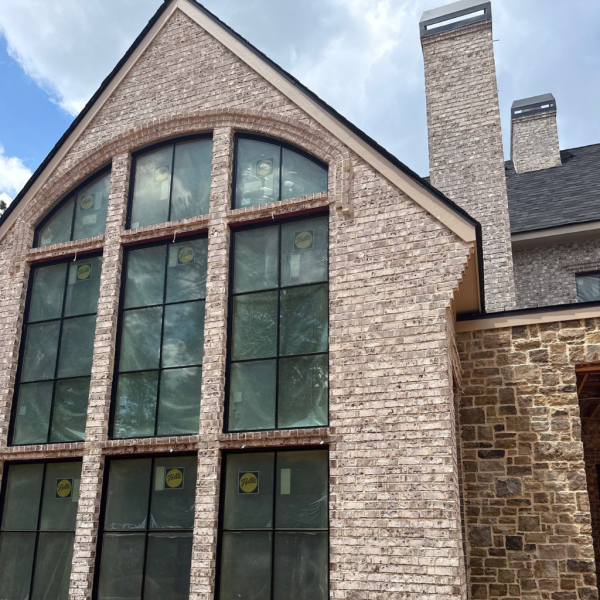
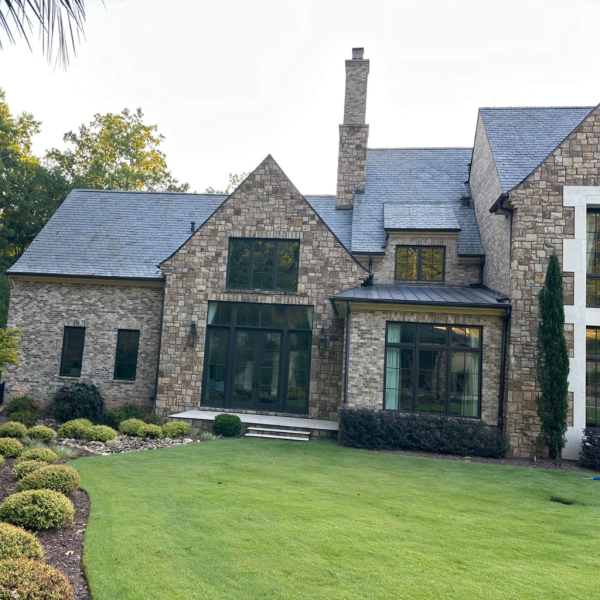
Block Foundation Walls Hold Up Atlanta Homes in Every Soil Condition
If you are building a new home or replacing an old foundation in Atlanta, block walls are a strong choice. CMU block walls carry heavy loads even on uneven or shifting ground.
Atlanta’s red clay soil expands when it gets wet and shrinks as it dries out. This movement puts stress on any foundation. Block walls built on proper footings resist that push-and-pull cycle better than many alternatives.
Homes in Midtown and East Atlanta Village sit on variable soil types. We size footings and reinforcement to match the ground conditions at your specific lot.
Choosing the Right Block Type Keeps Your Foundation Strong
Not every CMU block is the same. Picking the right size and weight rating for your building load prevents problems down the road.
Atlanta building codes set minimum block strength for foundation use. Most residential jobs in the metro area use 8-inch CMU blocks. We help you choose the right block based on your structure and soil report.
Proper Footing Depth Protects Your Atlanta Foundation Year-Round
Your footing is the base your entire block wall sits on. If it is too shallow, settling and cracks follow. Getting the depth right from the start saves you from costly repairs later.
Atlanta Footing Depth Quick Reference
- Frost line: approximately 12 inches deep
- Code requirement: footings at 18–24 inches
- Sloped lots in Buckhead may need deeper footings due to grade changes
We check soil conditions and lot slope before pouring any footing. This step prevents settling, cracking, and water intrusion over the life of your block foundation.
Spotting Common Block Foundation Problems Before They Spread
Catching a crack early is always cheaper than fixing a wall that has shifted. Small signs point to bigger problems if left alone.
Watch for these warning signs:
- Stair-step cracks along mortar joints
- Horizontal cracks that bow inward
- Water stains or damp patches on interior walls
- Doors or windows that stick or no longer close evenly
Atlanta’s seasonal rain and summer heat cause repeated expansion and contraction in the soil. That cycle wears on mortar joints over time. Stair-step cracks in older Grant Park and West End homes are a frequent sign of this stress.
If you notice any of these signs, schedule a masonry inspection before the damage spreads.
Preventive Steps That Extend the Life of Your Block Foundation
A well-maintained block foundation can last 80 to 100 years. The key is keeping water away from your walls and catching small issues early.
Frequently Asked Questions
Questions Homeowners Ask
How do I know if my Atlanta home needs a block foundation wall repair?
Look for stair-step cracks in mortar joints, water stains on basement walls, or walls that lean inward. These are signs that your block foundation needs attention. Schedule an inspection with a masonry contractor to find out the scope of the repair.
What type of block do Atlanta masonry contractors use for foundations?
Most Atlanta masonry contractors use 8-inch standard-weight CMU blocks for residential foundations. These blocks meet local building code requirements for strength and load capacity. Larger projects may call for 12-inch blocks.
How deep do footings need to be for a block wall in Atlanta?
Footings in Atlanta typically need to be 18 to 24 inches deep. Atlanta’s frost line sits around 12 inches, and code requires footings below that depth. Sloped lots or soft soil may require even deeper footings.
Do block foundation walls in Atlanta need rebar?
Yes, rebar is standard practice for block foundation walls in Atlanta. Atlanta’s red clay soil puts lateral pressure on walls, especially after heavy rain. Rebar placed inside filled block cores gives the wall the tensile strength to resist that pressure.
How long does a block foundation last in Atlanta’s climate?
A well-built and maintained block foundation can last 80 to 100 years in Atlanta. Proper waterproofing, drainage, and regular inspections are the key factors. Skipping maintenance shortens that lifespan.
What causes block foundation walls to crack in Atlanta homes?
Red clay soil movement is the most common cause of block foundation cracks in Atlanta. Poor drainage, missing reinforcement, and shallow footings also contribute. Seasonal rain and summer heat expand and shrink the clay around your foundation.