
Brick Outdoor Kitchens Atlanta Homeowners Build to Last
In Atlanta, brick outdoor kitchens turn backyards into year-round cooking spaces. We design, build, and finish custom brick kitchens for residential properties across the city. Most projects start with a site visit and layout consultation. Every kitchen we build comes from a masonry contractor who works with brick every day.
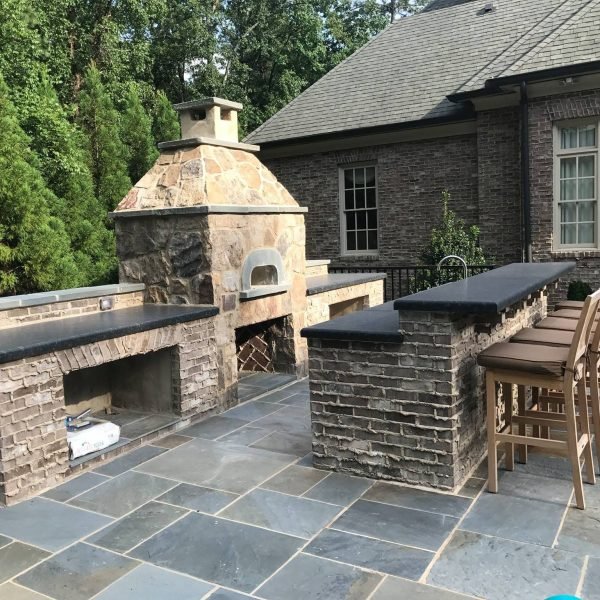
Brick Stands Up to Atlanta Heat and Humidity Better Than Most Materials
If you are comparing materials for an outdoor kitchen, brick outlasts most options in this climate. Atlanta summers bring high heat and heavy humidity. That combination speeds up rust and rot in metal-frame builds. Stucco cracks. Stone veneer can trap moisture behind it.
Brick handles all of it differently. It absorbs heat slowly and releases it the same way. Your brick counters and walls stay cooler to the touch on a July afternoon.
Atlanta’s red clay soil adds another problem for non-masonry builds. The soil holds moisture, which keeps humidity high at ground level. Metal frames sitting in that environment corrode faster than most homeowners expect. Brick does not rust or rot.
How brick compares to common alternatives:
Your Outdoor Kitchen Layout Should Match How You Actually Cook
The shape of your outdoor kitchen matters more than the finish color or countertop material. A layout that does not fit your lot or your cooking style wastes space and money.
Here are the three most common layouts we build:
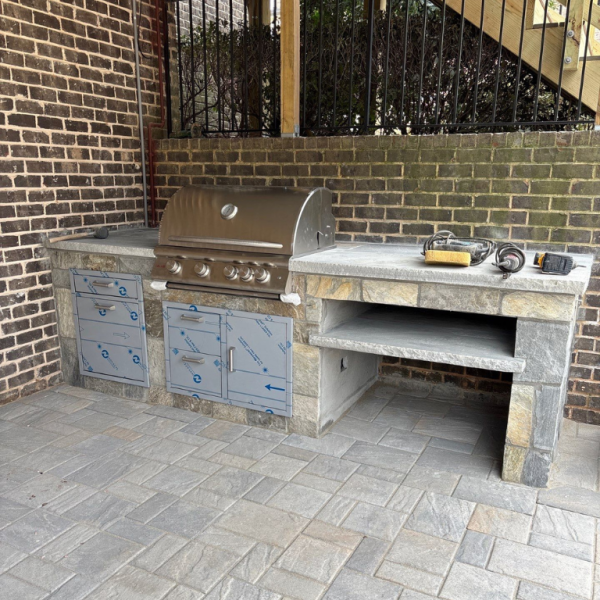
- Straight-line: Best for narrow lots or smaller patios. Keeps everything within arm's reach. Works well when you cook solo most of the time.
- L-shape: Adds a side counter for prep or serving. Fits corner placements on mid-size patios. Good for homeowners who grill and host at the same time.
- U-shape: Wraps around the cook on three sides. Needs a wider yard with room to move behind the kitchen. Best for larger setups with a grill, smoker, and sink.
Your lot size and yard conditions steer this decision. Buckhead properties often have deeper yards with mature tree cover, which limits where you can place a vented grill or run a gas line. Druid Hills lots tend to be narrower, making L-shape or straight-line layouts a better fit.
We walk your yard before drawing anything. Sun angle, slope, tree roots, and utility lines all change what layout works best.
Atlanta Homeowners May Need a Permit Before Construction Starts
Most outdoor kitchen builds in Atlanta require at least one permit. If your kitchen includes a gas line, electrical hookup, or a structural footing, a permit is likely required. Skipping this step creates code violations that can delay or undo finished work.
The tricky part is that permit rules change depending on where you live.
Permit differences by jurisdiction:
We handle the permit research for your specific address before breaking ground. Knowing the rules early prevents delays once materials are on-site.
What is the best material for an outdoor kitchen in Atlanta?
Brick is one of the most durable materials for outdoor kitchens in Atlanta. It handles Georgia’s humidity, summer storms, and temperature swings without warping or fading.
- Resists moisture damage common in the Southeast
- Holds up under direct sun and freeze-thaw cycles
- Pairs easily with granite, concrete, or stone countertops
A Masonry Contractor Builds Stronger Outdoor Kitchens Than a DIY Approach
Online guides make outdoor kitchens look like a weekend project. Most of those guides do not account for Atlanta’s soil or weather conditions.
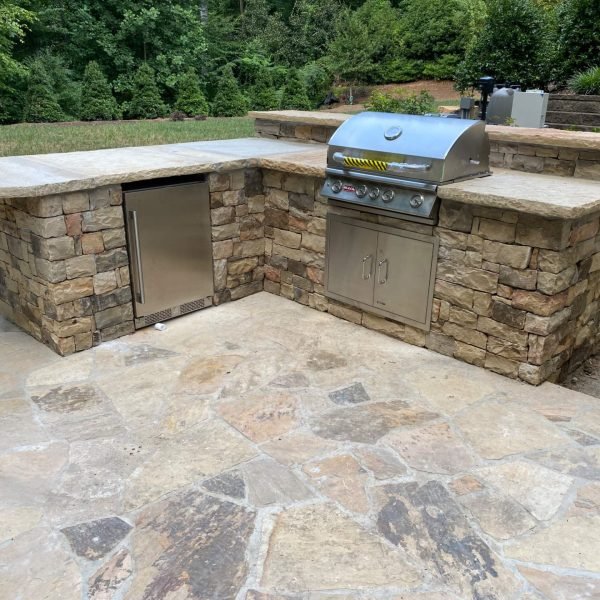
A brick outdoor kitchen is structural work. Every course of brick needs level mortar joints with the right mix and thickness. The base needs a footing designed for your specific lot. Load support for countertops and built-in grills has to be calculated, not guessed.
Here is where DIY builds run into trouble in Atlanta:
- Red clay soil shifts after heavy rain. A DIY footing poured too shallow will settle unevenly within a year. Your countertop cracks. Your grill sits crooked.
- Mortar joints need consistent technique. Uneven joints weaken the structure and let water in. Freezing water expands inside bad joints and pushes brick apart.
- Drainage planning gets skipped. Without proper grading around the base, rainwater pools against the foundation. That accelerates settling in clay soil.
A masonry contractor accounts for footing depth, drainage, and mortar technique before the first brick goes down. We have repaired enough failed DIY builds to know where they go wrong.
The Right Base and Footing Keep Your Brick Kitchen Level for Years
Your outdoor kitchen sits on whatever is underneath it. In Midtown, East Atlanta, and Grant Park, that is usually red clay. Red clay moves.
Georgia red clay expands when it gets wet and shrinks when it dries. That cycle repeats dozens of times a year. A shallow footing sitting in that active zone will rise, drop, and tilt over time. That is how you get cracked countertops and uneven cooking surfaces.
A reinforced concrete footing solves this. We dig below the active clay zone to reach stable soil. Then we pour a footing designed to carry the weight of the full kitchen structure.
What a proper footing includes:
- Excavation below the clay movement zone (depth depends on your lot)
- Compacted gravel base for drainage under the footing
- Steel rebar reinforcement inside the concrete pour
- Minimum cure time before any brick goes on top
If your yard has a slope, the footing design gets more involved. Sloped lots in Grant Park and East Atlanta are common. We adjust the footing depth and drainage path to keep the kitchen level even on uneven ground.
Seasonal Maintenance Protects Your Brick Outdoor Kitchen From Atlanta Weather
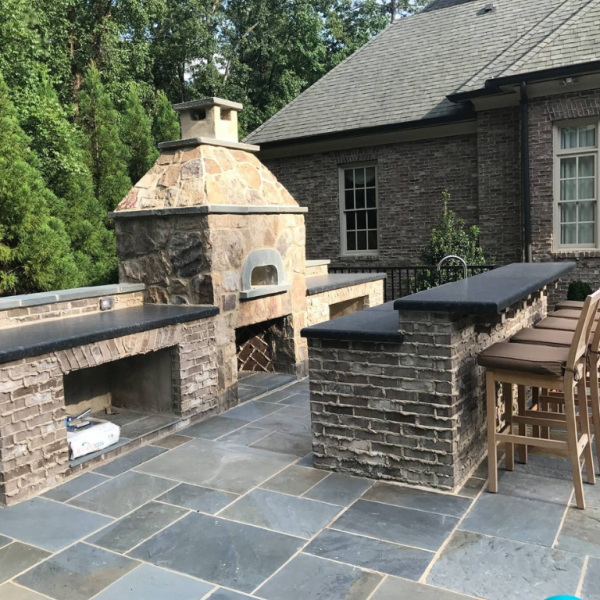
Brick is low-maintenance, but it is not zero-maintenance. Atlanta’s seasons put your outdoor kitchen through a cycle that needs attention once or twice a year.
Seasonal Maintenance Schedule
A fresh coat of brick sealer every one to two years adds another layer of protection. We recommend sealing after spring cleaning when the brick is dry and pollen-free.
These are small tasks. Thirty minutes twice a year keeps your kitchen looking and performing the way it did when we finished building it.
Frequently Asked Questions
Questions Homeowners Ask
How long does it take to build a brick outdoor kitchen in Atlanta?
Most residential builds take two to four weeks. Layout size and permit timing are the two biggest factors that affect the schedule.
Do I need a permit for an outdoor kitchen in Atlanta?
Yes, in most cases. Gas lines and electrical work almost always require one. City of Atlanta permits follow different rules than Fulton or DeKalb County, so the answer depends on your address.
What layout works best for a small Atlanta backyard?
A straight-line or L-shape layout fits narrow lots best. These are common in Virginia-Highland and Reynoldstown where side yards and patios run tight.
Can brick outdoor kitchens handle Atlanta winters?
Yes. Brick tolerates Georgia’s mild freezes without cracking or splitting. Sealed mortar joints add extra protection during cold snaps.
Should I hire a masonry contractor or DIY my outdoor kitchen?
Hire a contractor. Brick structural work needs proper footings, mortar technique, and code compliance. A bad footing on Atlanta’s red clay leads to settling and cracks within a year or two.
What is the best time of year to build an outdoor kitchen in Atlanta?
Late spring through early fall gives the most dry days. Mortar and concrete footings need dry conditions to cure properly.