
Stonemasonry in Atlanta:
Expert Stone Work for Homes and Businesses
Atlanta is a hard place to be stone. The summers are brutal. The humidity never lets up. The red clay underneath your property is always moving. We have worked on stone structures across this city long enough to know that a small crack in October can turn into a leaning wall by spring.
This page covers everything we do for homeowners, property managers, and commercial clients across Atlanta.
What We Cover
- New stone installations
- Structural repairs
- Surface restoration
- On-site assessments before any quote is given
We are licensed, we pull permits, and we show up to do the assessment ourselves before we ever quote a price. If something on your property is concerning you, the right first step is getting a local contractor on-site for an honest look.
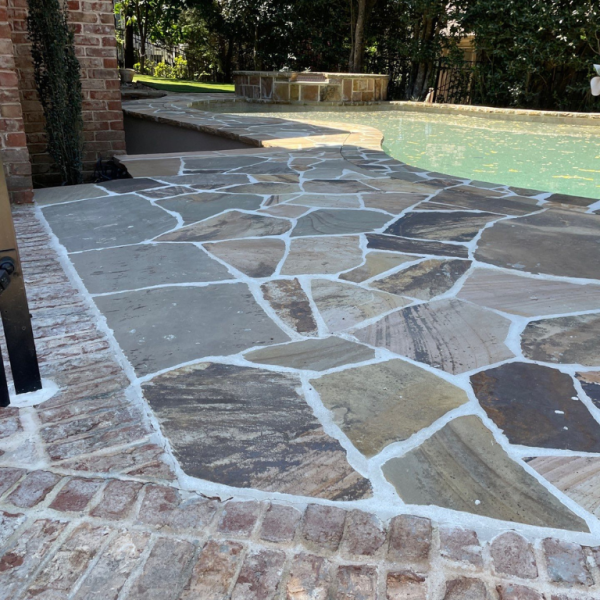
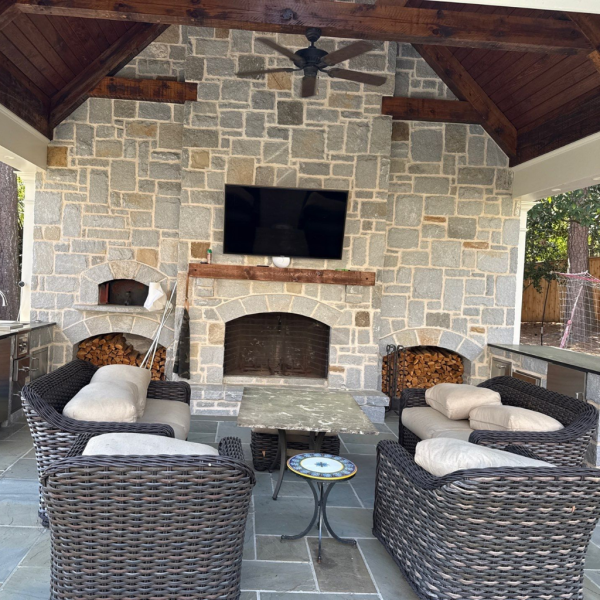
How to Tell When Your Stonework Needs Professional Repair
Most people notice something is wrong but wait longer than they should to call. In Atlanta, summer rain is heavy and consistent. Mortar erosion moves faster here than in drier climates. A joint that looks a little worn in June can be letting water behind the stone by August.
Warning Signs to Watch For
- Cracks running through stone faces or along mortar joints
- Gaps where stones have shifted or pulled apart
- White chalky staining on surfaces (mineral deposits from water moving through)
- Water pooling at the base of a wall or staircase after rain
- Stones that sound hollow when you knock on them
One sign is worth a call. Two or more together usually means the problem has already gone past the surface. The repair cost at that stage is almost always lower than if you wait another season.
What a Masonry Contractor Does During a Stone Installation
A lot of homeowners focus on the stone itself. The color, the texture, how it will look when it is done. That part matters. But the work that determines whether your stonework lasts twenty years or five happens before the first stone is set.
How to Hire a Qualified Stonemason in Atlanta
Here is the honest version of this conversation. A lot of homeowners get burned by skipping steps they did not know mattered.
Hiring Checklist
Georgia requires masonry contractors to hold state licensing and carry liability insurance. Ask for both documents before you agree to anything. A contractor who resists that request is telling you something.
A portfolio of jobs done in Atlanta neighborhoods carries more weight than a general gallery. Ask for references you can actually call—people who will pick up and talk about their experience.
A quote that just says “stone wall, $X” does not give you enough to evaluate. A qualified stonemason will walk your property in person, ask about your goals, and give you a scope of work you can read and understand.
Why Local References Matter
Local references tell you how a contractor handles the specific conditions here: the soil, the rain, the clay. A contractor who has worked across Atlanta neighborhoods understands what these properties demand in ways an out-of-area crew does not.
DIY Stone Repair vs. Hiring a Contractor: What Atlanta Homeowners Should Know
We are not going to tell you never to touch your own stonework. For a loose cap stone on a garden wall, a homeowner who has done some research can get decent results. But there is a version of this conversation that saves real money.
Bottom Line
If the stone is structural—part of a wall, a chimney, a foundation—hire a licensed contractor. The risk of getting it wrong is not worth the savings.
How Atlanta’s Climate and Soil Affects Stone Structures
If you have lived in Atlanta for any length of time, you already know the red clay. You have seen it on work boots and car tires after a rainy week. What you might not think about is what that same clay is doing under your retaining wall or stone foundation every single season.
Climate and Soil Factors That Affect Your Stonework
The Takeaway
Stone is one of the best materials for Atlanta when it is done right. The techniques and materials used here need to account for local conditions. Not every contractor brings that regional knowledge to the job.
How to Prepare Your Property Before a Stonemason Arrives
This section does not get included on a lot of contractor websites. We have found it makes a real difference in how smoothly jobs go and how much of your property comes through the project undamaged.
Your Pre-Job Checklist
- Clear a clean path to the work area. Move vehicles out of the driveway if that is the access route.
- Pull patio furniture, planters, and anything breakable away from the work zone.
- Tell us about tight driveways or mature tree roots near the work area before the job starts. We can adjust our equipment and plan a different approach.
- Cover anything you do not want coated in stone dust or mortar. Garden beds, AC units, outdoor furniture. Temporary plastic sheeting works well and takes five minutes.
- Give your neighbors a quick heads-up if our access path runs close to their property line. Jobs go better when nobody is surprised.
We handle the technical work. The prep on your end just helps us get to it faster.
Stonemasonry in Atlanta — Quick Reference
A stonemasonry contractor in Atlanta handles new stone installations, structural repairs, and surface restoration for homes and commercial properties. We work on retaining walls, chimneys, steps, facades, and foundations. Atlanta’s red clay soil and summer humidity call for region-specific materials and methods that differ from what works in drier or colder climates.
Common Services
- Mortar repointing and joint repair
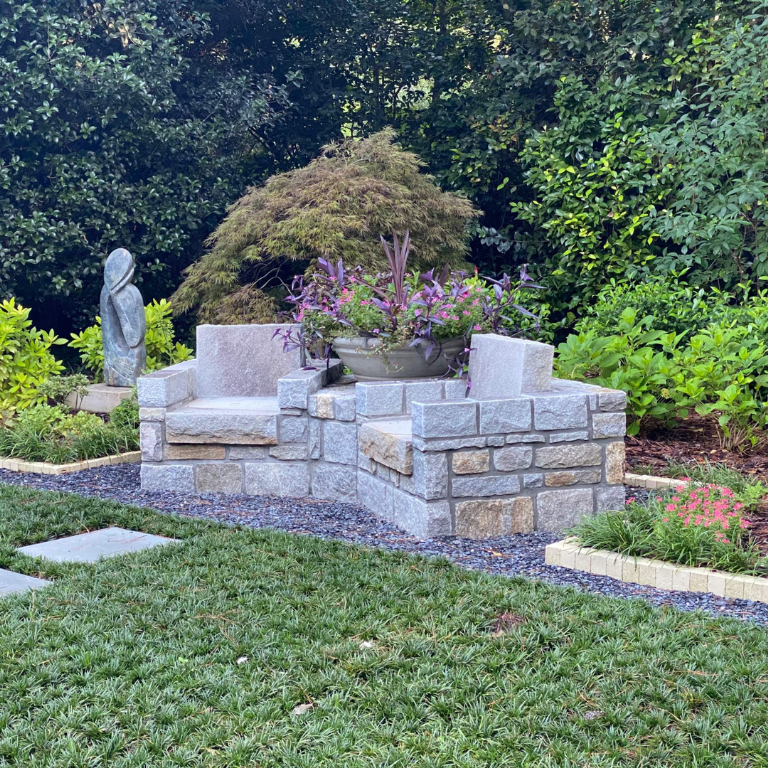
- Stone veneer installation
- Retaining wall construction and reinforcement
Frequently Asked Questions
Questions Homeowners Ask
How do I know if my stone wall in Atlanta needs repair or full replacement?
A contractor inspection is needed when you see deep cracks, leaning sections, or widespread mortar failure across large areas. Isolated joint failure or surface cracking usually points to repair. When structural movement is involved—the wall is visibly out of plumb or sections have shifted—replacement is often the more practical long-term answer. Do not try to make that call from photos alone. The difference matters and it is worth having someone on-site.
What type of stonemason should I hire for a chimney repair?
Hire a licensed masonry contractor with chimney-specific experience and references from Atlanta-area clients. Chimney repair is not just about repointing the exterior joints. Crown condition, flashing, and firebox integrity all affect performance and whether water is getting in. Ask to see past chimney projects and find out how long those repairs have held up.
Is a stonemason the same as a bricklayer?
No. Stonemasons work with natural and cut stone. Bricklayers specialize in brick. The skills overlap in some areas, but the materials behave differently and the techniques are not identical. Some masonry contractors handle both, which is useful when your project mixes materials. Ask about experience with the specific material your project involves.
Should I hire a handyman or a masonry contractor for stone repair?
A licensed masonry contractor is the right choice for any stone repair involving load-bearing or water-sensitive areas. Handymen are well-suited for minor cosmetic work. If the stone is part of a wall, chimney, staircase, or foundation, use a licensed contractor. The margin for error on structural masonry is small. The consequences of getting it wrong show up fast in Atlanta’s climate.
How do I get a stonemasonry project started in Atlanta?
Contact a local masonry contractor, describe what you are working with, and ask for an on-site assessment. A phone description or photos can give a rough sense of the project. But nothing replaces someone standing in front of the work, looking at the base, checking for water movement, and taking real measurements. That visit produces an accurate quote and a realistic timeline.
Does Atlanta’s weather affect how long stone repairs last?
Yes, and more than most homeowners expect. Heat, humidity, and seasonal soil movement shorten the life of any repair done with the wrong materials or without proper drainage detailing.