
Masonry Cleaning in Atlanta: Restore Brick, Stone & Block the Right Way
Atlanta’s humidity and red Georgia clay are hard on masonry. Mold, mineral stains, and biological growth build up fast on brick, stone, block, and mortar surfaces across the city.
We provide masonry cleaning for:
- Homes and residential properties
- Retaining walls and chimneys
- Driveways and walkways
- Commercial facades and block walls
This page walks you through what the process looks like, how to prepare your property, and how to book with us. Legacy Stonescapes is a licensed masonry contractor serving Atlanta neighborhoods with the experience to clean and protect your surfaces for the long term.
What is masonry cleaning in Atlanta?
Masonry cleaning removes dirt, mold, efflorescence, and stains from brick, stone, or block surfaces. Atlanta’s humidity speeds up mold and mineral buildup on exterior walls.
Professionals use low-pressure washing, chemical treatments, or steam — never harsh blasting.
- Removes biological growth (mold, algae, lichen)
- Lifts mineral deposits and red clay staining
- Prepares the surface for sealing or repointing
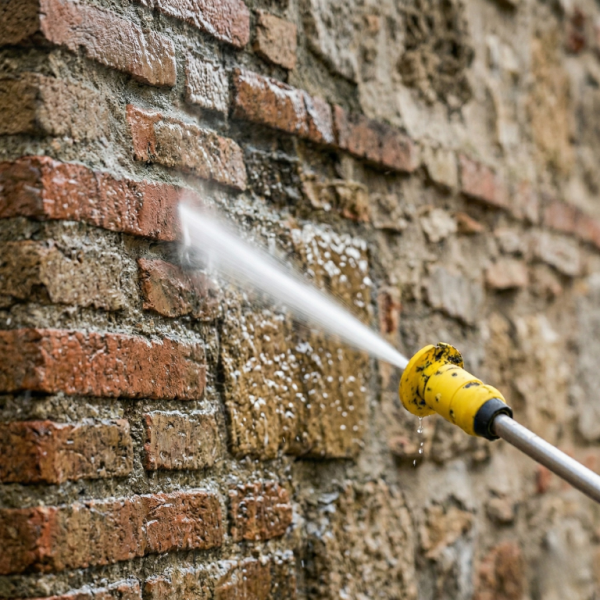
What Masonry Cleaning Actually Does to Your Surface
Masonry cleaning is not the same as pressure washing. It removes embedded contaminants from porous brick, stone, and block — without forcing water into the surface under high pressure.
| Action/Effect | Standard Pressure Washing | Specialized Masonry Cleaning |
|---|---|---|
| Methodology | Blasts surface with high PSI water | Low pressure, chemicals, or steam |
| Joint Integrity | Can fracture mortar joints | Protects and preserves mortar |
| Moisture Control | Pushes moisture deeper into the wall | Draws contaminants out of pores |
| Material Safety | May damage soft or historic brick | Matched to surface type/condition |
| Stain Removal | Misses embedded clay staining | Lifts red Georgia clay from pores |
⚠ Atlanta-Specific Problem: Red Georgia clay doesn’t sit on top of brick. It works into the pores over time. Generic scrubbing or a rented pressure washer won’t pull it out — and can push moisture deeper into the wall.
A proper cleaning restores your surface to its original color and texture. It also exposes any cracks, failing mortar, or voids that need attention before you seal or repoint.
How Professionals Clean Brick, Stone, and Block Without Causing Damage
Not every surface gets the same treatment. We match the cleaning method to the material.
| Surface Type | Recommended Method | Technical Rationale |
|---|---|---|
| Historic/Soft Brick (pre-1960s) | Low-pressure wash + pH-balanced cleaner | High pressure fractures mortar joints and pulls face off soft brick. |
| Concrete block walls | Chemical cleaner or steam | Handles efflorescence and biological growth without saturating the core. |
| Stone patios / Retaining walls | Low-pressure wash + targeted cleaner | Protects natural stone texture and critical mortar lines. |
| Craftsman/Bungalow chimneys | Steam or chemical treatment | Soft lime-based mortar cannot withstand mechanical pressure. |
| Modern brick facades | Low-pressure wash | Safer and more controlled than standard high-PSI pressure washing. |
⚠ Historic Brick Warning: Older homes in Decatur and Inman Park often have soft brick fired at lower temperatures than modern brick. High-pressure washing fractures mortar joints and pulls the face off that brick. We don’t use high pressure on those surfaces.
Signs Your Atlanta Masonry Needs Cleaning Now
Atlanta’s summer humidity speeds up biological growth — especially on north-facing walls and surfaces that stay shaded through the day.
Check your masonry for these warning signs:
| Warning Sign | Diagnostic Meaning |
|---|---|
| Green or black streaks | Algae, mold, or lichen actively growing on the surface. |
| White powder or crust | Efflorescence — mineral salts migrating through block or brick. |
| Dark or rust-colored staining | Georgia red clay embedded in porous surfaces. |
| Sandy or crumbling mortar lines | Moisture has been sitting in the joints, leading to structural degradation. |
| Uneven or blotchy color | Biological growth or mineral buildup occurring below the surface. |
⚠ These problems don’t clear up on their own. Atlanta’s rainfall and humidity keep feeding them through every season. Catching them early means less surface damage and a simpler cleaning job.
How to Prepare Your Property Before the Crew Arrives
A little prep on your end keeps the job moving without delays.
Before our crew arrives:
- Move planters, furniture, and decor away from the work area
- Cover or shut down HVAC units near the cleaning zone — chemical overspray can coat intake screens
- Wet down or cover nearby plants that border the masonry surface
- Unlock gates and note all access points so the crew can reach all sides
- Flag any low-clearance areas when you book — not on job day
📍 Atlanta Property Note: Properties in Buckhead and Grant Park often have tight side yards and narrow passages between structures. If your access points are restricted, let us know when you book. We plan around it — but we need to know in advance.
The cleaner the site access, the faster we work. Most jobs move quicker when the prep is done before we pull up.
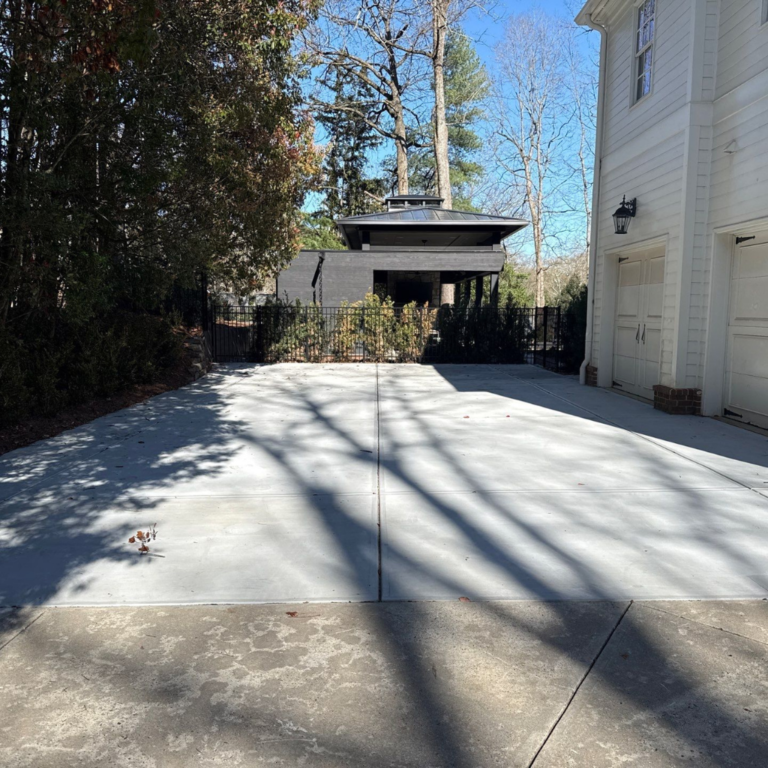
How Waterproofing After Cleaning Protects Atlanta Masonry Long-Term
📊 Atlanta averages more than 50 inches of rain per year. Unsealed masonry absorbs that moisture repeatedly — and re-stains within months after cleaning.
Sealer Comparison
| Sealer Type | How It Works | Best For |
|---|---|---|
| Penetrating Sealer | Soaks into pores and repels water from within. | Most exterior masonry — doesn't change appearance; lets masonry breathe. |
| Surface Coating | Sits on top and forms a visible film. | Surfaces where a finished or "wet" look is acceptable. |
Drying time before sealing:
| Atlanta Weather Condition | Recommended Dry Time |
|---|---|
| Low humidity, sunny | 24 hours minimum |
| Average conditions | 48 hours |
| High humidity or overcast | 72 hours or more |
⚠ Don’t skip the sealer. Skipping it after cleaning is one of the most common reasons homeowners call us back within a year. One application after a proper cleaning adds years to the result.
How to Verify the Job Was Done Right Before the Crew Leaves
Don’t sign off while the surface is still wet. Georgia clay stains and mineral deposits sometimes reappear as brick or block dries. Do your final walkthrough after the surface has dried fully.
Post-job checklist:
- Even color across the surface — no blotchy patches or streaked sections
- Clean mortar lines — no residue sitting in the joints or dark lines left behind
- No etching or surface pitting — especially on older or softer brick
- No chemical residue — white film or slick spots mean the cleaner wasn't fully rinsed
- Drainage areas are clear — runoff shouldn't be pooling near the foundation
✅ We walk every job with you at the end. If something looks off, say so before the crew leaves. A reputable masonry contractor addresses it on the spot — and that’s exactly what we do.
The cleaner the site access, the faster we work. Most jobs move quicker when the prep is done before we pull up.
Frequently Asked Questions
Questions Homeowners Ask
Can you pressure wash brick on an Atlanta home?
Low-pressure settings are safe, but high PSI damages mortar joints and soft brick. Standard pressure washers run far too high for most residential brick in Atlanta. We adjust pressure and method based on the surface — what’s right for a concrete block wall is wrong for a 1920s brick chimney.
What are the risks of cleaning old brick the wrong way?
Etching, mortar erosion, water intrusion, and surface spalling are all common results of improper cleaning. Pre-1960s Atlanta homes are especially vulnerable — the brick is softer and the mortar is lime-based. Aggressive cleaning on those surfaces causes damage that costs more to fix than the original cleaning would have.
Is masonry cleaning worth it before repainting or repointing?
Yes — cleaning first gives the crew a clear view of the surface. Cracks, voids, and failing mortar hide under staining and biological growth. You don’t want to repoint over a dirty surface and miss a problem that shows up six months later.
How do professionals remove efflorescence from Atlanta block walls?
Acid-based or chelating cleaners remove efflorescence after the surface has been dry-brushed first. We never seal over active efflorescence — the mineral salts will keep migrating and push the sealer off the surface from underneath.
How long does masonry need to dry after cleaning before sealing?
Typically 24 to 72 hours, depending on Atlanta weather conditions at the time. Humidity slows cure time significantly. We check moisture levels in the surface before applying any sealer — guessing on dry time leads to sealer failure.
Do I need masonry cleaning before listing my Atlanta home for sale?
Clean brick and stone improve curb appeal and signal to buyers that the home has been maintained. Stained or streaked masonry raises questions during inspection. A cleaning before listing is a low-cost way to remove one of those flags before it becomes a negotiating point.
Book Masonry Cleaning in Atlanta
If your brick, stone, or block is overdue for cleaning, we’re ready to take a look. Legacy Stonescapes is based in Atlanta and serves residential and commercial properties throughout the city and surrounding areas.
Call or message us to schedule. We’ll confirm your service area, walk through what the job requires, and get you on the schedule.